
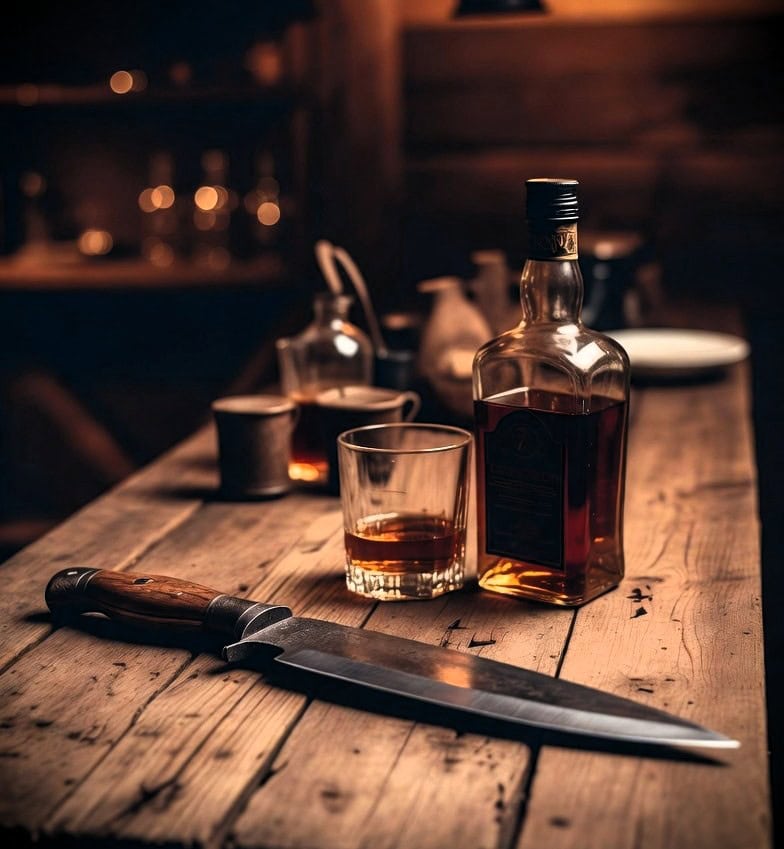
If you spend any time around the outdoors crowd or the kind of folks who can debate pocket clips like it’s playoff season, you’ve seen the shift. Knives have always been tools first, but they’ve also become a language. People trade models the way others trade watches. They compare blade steels the way bourbon fans compare mash bills. They talk about “carry” the way boot people talk about break-in.
That crossover culture is exactly why EKnives keeps finding its way into lifestyle conversations. The Chattanooga-based, family-run shop has been featured in a few corners of the internet lately, and the framing is consistent: it’s a place where collectors and everyday users meet in the middle. Not a museum. Not a flea market table. More like the one shop you’d actually trust when you want a blade that shows up ready to work and looks good doing it.
The Rise of the “Good Tool” Mindset
The easiest way to understand today’s knife world is to think about the broader return of “buy once, cry once” gear. Boots, denim, cast iron, bourbon. There’s a reason people get picky when something is meant to last. A knife sits in that same lane. You don’t need a dissertation to appreciate a solid lockup or a clean grind. You just need a few weeks of daily use to feel the difference.
That’s also why the shopping experience matters. Knife buyers aren’t always chasing the cheapest option. They’re chasing the right option: a model that fits their hand, their pocket, their local laws, and their daily routine. Some want a slim folder for office carry. Others want a hard-use build that can live in the truck, on a range bag, or on a hiking belt without drama.
And then there are collectors, the folks who don’t just buy a knife, they “hunt” it. Limited runs, rare finishes, discontinued models, maker drops. The chase is half the fun.
Why People Seek Out Specialist Shops
Big-box listings are fine until they aren’t. Anyone who has ever ordered “the same model” and received something that feels off knows the difference between a catalog and a specialty shop.
In the knife world, details are the whole point: blade shape, edge type, handle material, hardware finish, clip orientation, deployment style.
Specialist shops tend to win on three things:
- Curation: You want a selection that makes sense, not a sea of random SKUs.
- Clarity: Better photos, better descriptions, better expectations about what’s in the box.
- Community: A shop that understands why you care is a shop that’s easier to trust.
EKnives’ recent features lean into that idea of a “family shop” that grew into a collector hub without losing the human feel. The tone is less “retail machine,” more “these people actually handle the products they sell.”
“A knife is personal: how it feels, how it rides in your pocket, how it locks up, said Clayton Ensminger, Owner of EKnives. “Our job is to make the details clear so you can choose with confidence.”
The Two Big Buyer Types: Users and Collectors
Here’s a fun truth: the most serious collectors are often the most practical users. They’ll admire a rare finish, then immediately talk about ergonomics and edge geometry. They want something that works.
Users usually start with one question: What’s this knife for?
- Boxes, rope, and everyday tasks?
- Hunting and field work?
- Outdoor utility and preparedness?
- Duty use, rescue needs, or quick deployment?
Collectors ask a different set of questions:
- Is this run limited?
- Is the finish uncommon?
- Is the action especially clean?
- Does this model have a story?
The cool part is how those worlds overlap. Someone might buy a Benchmade knife for daily carry and end up collecting variants like trading cards. Somebody else starts with “I need an automatic for work” and ends up learning serial ranges and release timelines. It happens fast. Consider yourself warned.
Why OTF and Automatic Knives Keep Getting the Spotlight
Automatic knives, especially out-the-front (OTF) designs, are having a moment. Part of it is pure engineering appreciation: the action is satisfying, the design is compact, and the whole thing feels like a mechanical handshake. The other part is practical. If you need one-handed deployment, fast access, and consistent lockup, autos can be a strong fit, assuming you’re paying attention to local regulations.
Collectors also gravitate toward OTFs because variations matter. Blade shapes, finishes, hardware, and themed builds can make the same platform feel completely different from one release to the next. That’s where searches like custom OTF knives for sale show up, because a lot of buyers want something that feels personal, not generic.
And when you’re talking OTF culture, it’s impossible to avoid Microtech. Whether you’re new to the brand or deep in the rabbit hole, you’ve seen the demand around Microtech knives newly listed for sale and the way certain drops become instant conversation pieces.
Gear Culture: It’s Not Just the Knife
One underappreciated part of modern knife enthusiasm is how much it blends into broader everyday carry. People don’t just carry a blade. They carry a whole “system”: flashlight, wallet, pen, maybe a multi-tool, sometimes a belt setup that looks like it could survive a week in the backcountry.
That’s why accessories matter. It’s also why search behavior often expands beyond blades. Someone who starts by shopping a knife ends up looking at carry add-ons and maintenance basics. Even niche searches like Benchmade or Microtech gear make sense in that context, because some brands build a whole ecosystem around the blade.
If you’ve ever dialed in the perfect pocket setup, you know the feeling. The right tool disappears until you need it. Then it shows up like it heard the whistle.
What “Authorized Dealer” Really Means to Buyers
Knife buyers talk about authenticity the way bourbon folks talk about counterfeits. Nobody wants to spend real money and end up with a question mark. That’s why “authorized dealer” language hits differently in this space. It signals a cleaner supply chain and fewer surprises.
It’s also why brand-focused shoppers tend to prefer specialist retailers. If you already know what you want, say, you’re deciding between a couple of well-known American makers, you want clear listings and a shop that understands the product beyond the bullet points.
“Collectors notice the small stuff, Ensminger continued. “When you’re buying a premium knife, you want accurate details, clean photos, and a shop that knows what questions you’re going to ask.”
The Simple Buying Advice People Actually Use
Knife advice gets complicated fast, so here’s what most experienced buyers quietly do:
- Pick your use case first. A great EDC folder and a great hunting fixed blade solve different problems.
- Choose your deployment style. Manual, assisted, automatic, OTF, each has a feel and a purpose.
- Match your handle to your hand. Ergonomics are everything after the first week.
- Check local rules. Especially with automatics and carry restrictions.
- Buy from a place that explains the details. The product matters, but so does the information.
Do that, and you avoid most of the regret purchases. You also avoid the classic mistake of buying a knife that looks amazing online but carries like a brick. Your pocket deserves better.
Where Knife Culture Is Headed Next
Knife culture is becoming less of a secret handshake and more of an everyday lifestyle. You see it in the way people talk about carry gear alongside boots, denim, and weekend plans. You see it in the way knives show up in gift guides and outdoor features. And you see it in the way family-run specialty shops can build national attention without turning into a faceless warehouse.
EKnives’ recent media attention fits that trend. It reflects a broader interest in well-made tools, honest details, and communities that treat gear like something worth caring about. A good knife is practical. It’s also a little bit personal. And if you’ve ever found yourself browsing “just to look” and somehow ended up with a new favorite in your cart… well, you’re in good company.