
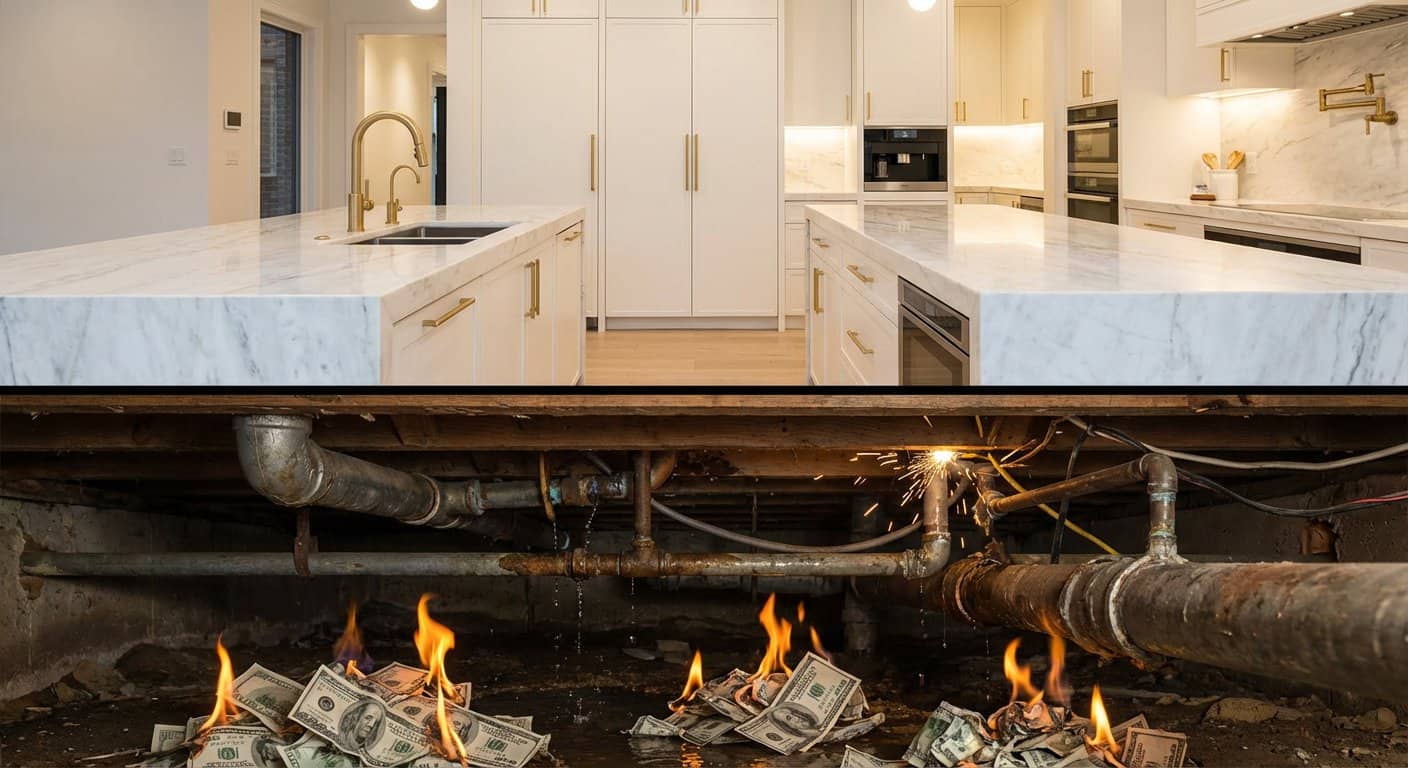
For decades, many home buyers chose fixer-uppers to save money upfront and build instant equity through their own remodeling efforts. That sweat equity was a popular path to homeownership. But the market has changed, and it’s no longer the bargain it once was.
A growing number of house hunters are now walking away from homes that need significant work. The reason is simple: the costs, risks, and challenges often outweigh the potential savings.
Today’s buyers understand that renovation costs are higher than ever, and they see the value in settling into a new home right away. In fact, a Rocket Mortgage® survey of house hunters found that nearly 60% would rather spend more on a move-in-ready home than buy one needing renovations.
Whether you’re a real estate agent, a property investor, or on the hunt for a new home yourself, here’s a closer look at why people are skipping fixer-uppers.
Key Takeaways
Surging Renovation Costs: Inflation, labor shortages, and high material prices have driven renovation costs to record highs, significantly narrowing the “sweat equity” profit margin.
Hidden Financial Risks: Beyond visible repairs, older fixer-uppers often harbor expensive structural, electrical, or plumbing issues that lead 20% of buyers to regret their purchase.
Complex Financing Hurdles: Unlike standard mortgages, funding a renovation requires specialized loans with stricter credit requirements, detailed contractor bids, and more red tape.
Shift Toward Convenience: Modern buyers—particularly millennials—now prioritize move-in-ready homes to avoid the stress and time commitment of managing long-term construction projects.
The “TV Effect” vs. Reality: Popular renovation shows often create a deceptive fantasy; real-world projects involve permits, delays, and professional labor that DIY enthusiasts often underestimate.
Table of Contents
Renovation Costs Are Sky-High
The cost of renovating a home today is dramatically higher than it was just a few years ago. What might have been a manageable project can quickly become a major financial drain.
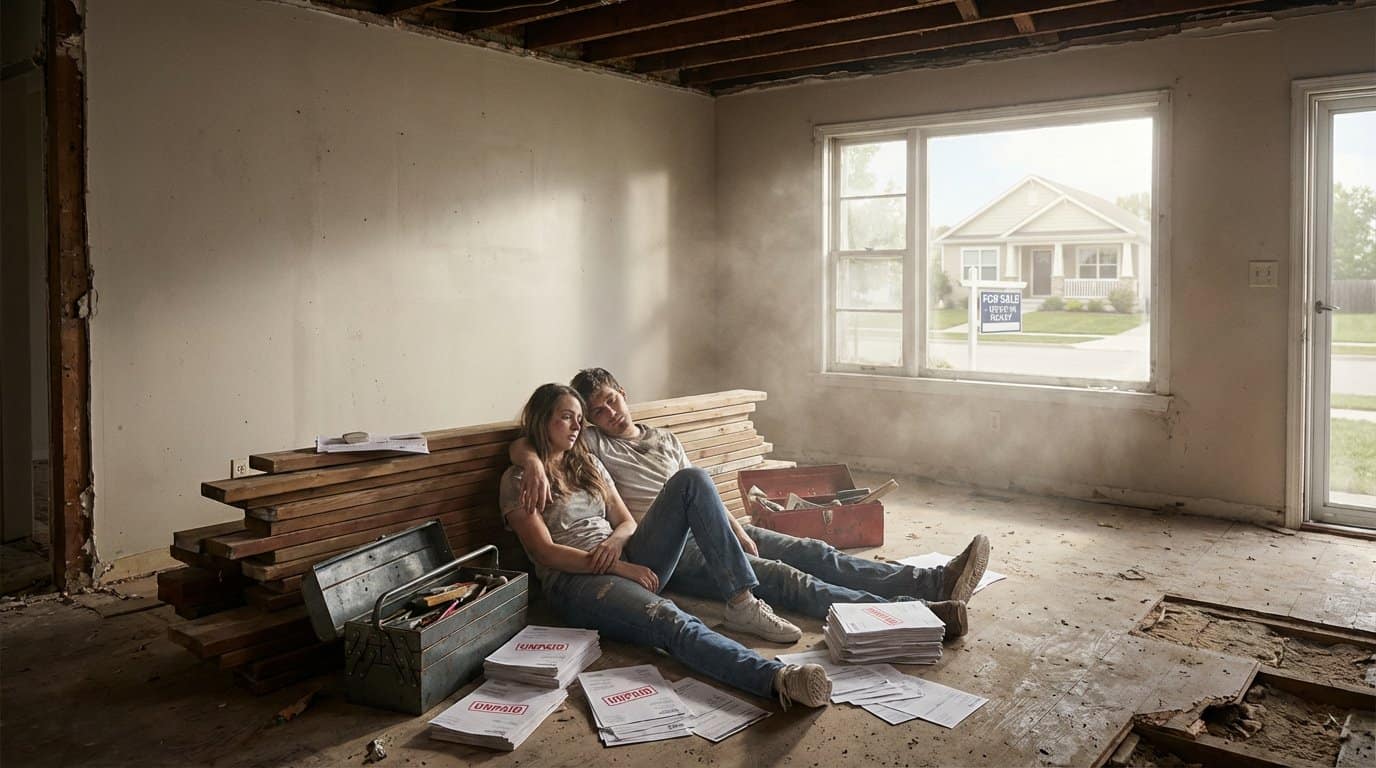
According to the Harvard University Joint Center for Housing Studies, spending on home improvements and repairs is projected to reach a record $524 billion in early 2026. This surge is fueled by inflation, ongoing labor shortages, and higher material prices, making home improvement projects more expensive across the board.
For buyers, this means a simple kitchen or bathroom remodel can stretch a budget to its breaking point.
- Kitchen Remodels: According to data from Angi, the average kitchen remodel now costs around $27,000, with many homeowners spending between $14,600 and $41,600. High-end projects can easily exceed $60,000.
- Bathroom Remodels: A mid-range bathroom renovation in 2026 can cost between $10,000 and $25,000. This represents a 4-6% increase from 2025 alone due to rising labor and material costs.
Unexpected Problems Are Common
Since many fixer-uppers are older homes, they often hide serious issues that aren’t visible during a showing. These nasty surprises can turn a dream project into a financial nightmare, with repair costs that far exceed any initial savings on the purchase price.
It’s so common that 1 in 5 U.S. homeowners say they regret purchasing a fixer-upper because of these hidden expenses. Most experts recommend setting aside an extra 10-20% of your total renovation budget just for these unforeseen issues.
Some of the most expensive hidden problems include:
- Foundation Instability: Repairing a home’s foundation typically costs between $2,218 and $8,112, but major repairs can soar to $25,000 or more.
- Outdated Electrical Systems: Many older homes have hazardous knob-and-tube wiring. Replacing it can cost anywhere from $12,000 to over $36,000.
- Hidden Water Damage: Finding and repairing damage from hidden leaks can cost between $1,361 and $6,270, and that’s before addressing any related mold issues.
- Pest Damage: Termites can compromise a home’s structural integrity, with repairs often costing between $1,000 and $10,000.
Financing Renovations Isn’t Easy
While getting a mortgage for the fixer-upper itself might be straightforward, securing the funds for the renovation is a whole other challenge. A traditional mortgage only covers the purchase price of the home, not the repairs.
This forces buyers to seek out specialized renovation loans, which come with stricter requirements. Options like the FHA 203(k) and Fannie Mae HomeStyle loans exist, but getting approved requires more than just a good credit score; you’ll also need detailed contractor bids and potentially a higher down payment.
| Loan Type | Key Features |
|---|---|
| FHA 203(k) Loan | Lower qualifying credit score requirements, but often has more restrictions on the types of repairs allowed. It’s an FHA-backed loan, so it follows their guidelines. |
| Fannie Mae HomeStyle | More flexibility for upgrades, including “luxury” items. It can also be used for investment properties, unlike many other renovation loans. However, it typically requires a higher credit score, often between 620 and 660. |
Today’s House Hunters Want Convenience
The mindset of the modern home buyer has shifted. For many, convenience now outweighs the potential to save money. Today’s buyers, especially millennials who are now the largest group of homebuyers, value homes that are move-in ready.
A nationwide survey by Bright MLS in late 2024 confirmed this trend, finding that over half of prospective buyers (56.1%) ranked a home’s move-in-ready condition as the most important factor in their search. An additional 37.8% said it was “somewhat important.”
With busy careers, families, and other responsibilities, the thought of managing a months-long renovation is simply overwhelming. They prefer a predictable monthly mortgage payment to the financial uncertainty of a major construction project.
“Easy” DIY Renovations on TV Are Deceptive

Home renovation shows have done a great job of making remodeling look fun and easy. But they often create a misleading fantasy of what it’s really like to renovate a home.
These shows condense months of intense work into a neat 30-minute episode. They conveniently edit out the real-world headaches that homeowners face.
What you don’t see on TV are the permit delays, the contractor who doesn’t show up, the failed inspections, or the surprise discovery of asbestos behind a wall. A project that looks like a weekend of fun on screen is almost always a complicated and expensive undertaking in reality.
This disconnect creates a fantasy perception and makes people underestimate the skills needed to tackle major projects like rewiring, plumbing, or structural changes. What seems easy on TV often requires a licensed professional.
Some Buyers Are Still a Good Match for Fixer-Uppers
Of course, fixer-uppers aren’t a bad choice for everyone. They can still be a great option for people who have the time, skills, and financial resources to handle a major renovation without disrupting their lives.
For example, real estate investors using strategies like BRRRR (Buy, Rehab, Rent, Refinance, Repeat) are perfectly suited for these properties. People who are licensed contractors or have a true passion for home flipping can also find success. Some traditional buyers can also benefit, but only if they have a long-term vision and plenty of extra savings to renovate the home gradually over time.
Fixer-Uppers Often Require Too Much Effort and Money
For the average person, the fixer-upper has lost its charm. The investment in time, energy, and money is simply too great for most of today’s house hunters.
With renovation costs at an all-time high, financing that is difficult to secure, and a strong desire for convenience, most buyers are better off choosing a home that’s ready to live in from day one. While investors might see opportunity, the typical home buyer sees a risk that just isn’t worth taking.