
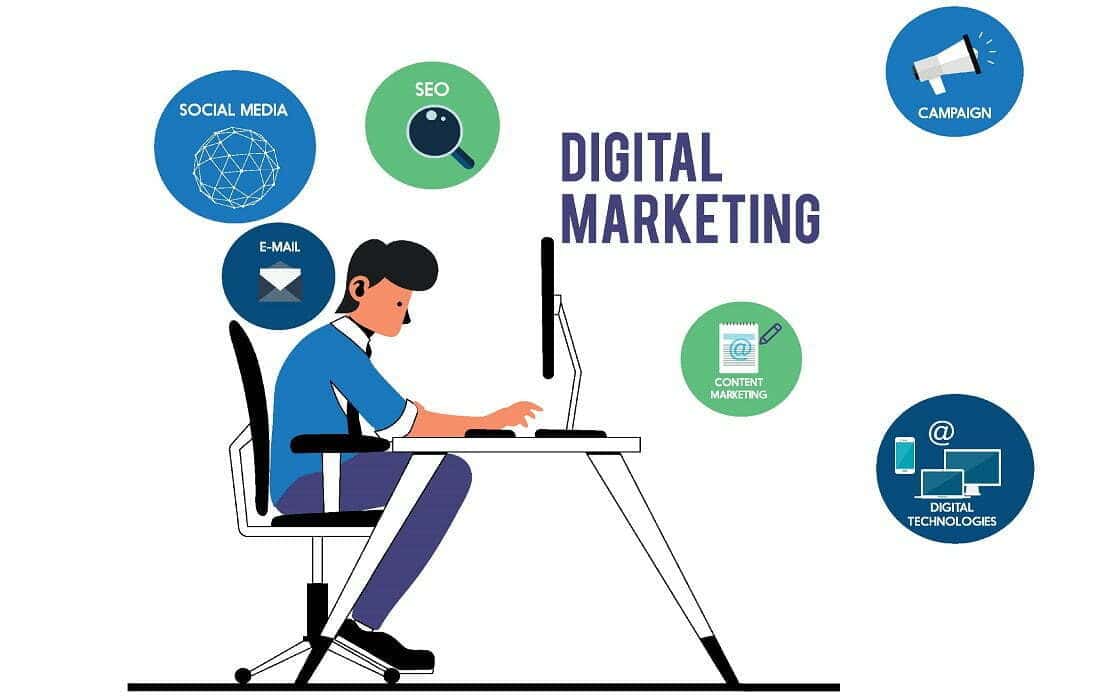
Starting a small business is a huge accomplishment. But once you’re up and running, the real challenge begins: growth.
Traditional tactics like print ads and word-of-mouth still have their place. However, to truly accelerate your growth and connect with a wider audience, you need a strong digital marketing strategy.
If you’re running a service-based business like plumbing, HVAC, or electrical work, partnering with industry-specific experts can make a huge difference in your results. For example, plumbing companies in California often work with a San Jose Plumbing SEO Agency that understands the unique challenges of ranking for local plumbing services and attracting emergency service calls. Whether you handle your marketing yourself or hire specialists, the key is consistency and understanding your specific market.
Define Your Target Audience
Before you can reach your customers, you have to know who they are. Start by creating buyer personas, which are detailed profiles of your ideal clients.
Think about their age, location, interests, and the specific problems they’re trying to solve with your products or services. A great free tool to get started is HubSpot’s “Make My Persona” generator, which guides you through the process step-by-step.
Location is a particularly vital factor in your strategy. For instance, if you are looking at international expansion, you might research the reasons for launching a business in Malta, such as its favorable tax climate and access to the EU market. Understanding these regional advantages allows you to tailor your marketing message to the specific economic landscape of your area.
Once you understand your audience, you can figure out where to find them online. This knowledge is the foundation of a digital marketing for small business plan that works.
Create Engaging Content
Now that you know who you’re talking to, it’s time to create content they’ll find valuable. This isn’t just about selling, it’s about providing information that is genuinely helpful and relevant to their needs.
Video content is a powerhouse for engagement. According to a 2026 report from Wyzowl, 91% of businesses now use video as a marketing tool. You don’t need a massive budget, a simple product explainer or a behind-the-scenes look can work wonders.
Not sure what topics to cover? Use a free tool like AnswerThePublic. It shows you the questions people are actually searching for online, giving you a direct line into your audience’s needs.

Establish Your Social Media Presence
With fierce competition, a strong social media presence is non-negotiable. It’s where you build community and connect with customers directly. In fact, a 2025 study showed that 58% of consumers discover new businesses through social media.
You don’t need to be on every platform. Focus on where your target audience spends their time.
- Facebook: Excellent for building a community and sharing updates with a broad audience.
- Instagram: Ideal for visual brands, using Reels and Stories to give a behind-the-scenes look.
- LinkedIn: The best choice for B2B businesses to network and establish industry authority.
- TikTok: Perfect for connecting with a younger audience through short, entertaining videos.
To save time, use a scheduling tool like Buffer or Hootsuite. These platforms let you plan and automate your posts from one dashboard, ensuring a consistent presence without the daily scramble.
Perform On-Going SEO Work
Search Engine Optimization (SEO) isn’t a one-and-done task. It’s an ongoing process of helping search engines like Google understand your content and show it to the right people. For SEO in Toronto, you can also hire an agency.
Regular SEO work is crucial for growth. It helps you stay ahead of competitors and adapt to new search trends. The best part is, you don’t need expensive software to get started.
Google offers two fantastic, free tools that every business owner should use: Google Analytics helps you understand who is visiting your site, and Google Search Console shows you how people are finding you in search results.
Here are a few core tasks to focus on:
- Keyword Research: Continuously look for the terms your ideal customers are searching for.
- Optimize Your Website: Regularly add fresh content and make sure your site is fast and mobile-friendly.
- Link Building: Build relationships to earn links from other reputable websites. You can also check the best link-building packages.
- Monitor Progress: Use tools to track your rankings and see what’s working.
Grow An Email List
Your email list is one of your most valuable assets. Unlike social media, you own this channel and aren’t affected by algorithm changes.
Email marketing also delivers an incredible return. In 2026, studies show that for every $1 spent, businesses can expect an average return of $36. Some see returns as high as $45 for every $1 invested.
To get started, add a signup form to your website. Offer something valuable in return for an email address, like a free guide, a checklist, or a coupon. Platforms like Mailchimp offer free plans for small businesses, making it easy to begin without any upfront cost.
Offer Free Courses or Webinars
If you’re in a service or knowledge-based industry, offering a free course or webinar is a powerful way to build trust and attract customers.
This approach establishes you as an expert in your field. It gives potential customers a risk-free way to experience the value you provide. Platforms like Teachable or Podia can help you host and manage your online courses.
Consider partnering with another business in your industry to co-host an event. This strategy can double your reach and introduce your brand to a new, relevant audience.
Add Limited Time Offers and Sales
Nothing motivates a purchase quite like a good sale. Limited-time offers create a sense of urgency that encourages customers to act quickly.
This tactic taps into the psychological principle of “fear of missing out” (FOMO). When customers believe an opportunity is scarce or about to disappear, they place a higher value on it. A 2023 study by CXL even showed that adding a simple countdown timer to an offer could increase sales by over 300%.
Be sure to promote your sales across all your channels. You can also give your email subscribers exclusive early access, making them feel valued and more likely to buy.

Get Positive Reviews From Customers
Online reviews are the modern-day word-of-mouth, and they are incredibly powerful. Research from BrightLocal shows that 87% of consumers read online reviews before choosing a local business.
Encourage your happy customers to leave feedback on platforms like Google Business Profile and Yelp. Make it easy for them by sending a direct link after a purchase.
A critical step many businesses miss is responding to reviews. According to Google, actively responding to reviews can improve your local SEO. It shows potential customers that you are engaged and value their feedback, building trust before they even contact you.
Replying to both positive and negative comments is important. A study published in the Journal of the Academy of Marketing Science found that engaging with positive reviews has a significant effect on future ratings and financial performance.
Conclusion
Growing a small business is a marathon, not a sprint. The right digital marketing for small business efforts will evolve as your company grows.
The keys to success, however, remain the same. Focus on your audience, create content that helps them, and use the right channels to reach them.
With a little consistent effort, you can use these digital marketing strategies to take your business to the next level.
Useful Links