
One of the practical problems with running Bourbon and Boots and being a devoted aficionado is that you eventually amass a sprawling collection. Once you cross the 75-bottle threshold, figuring out how to store your extra liquor becomes a matter of domestic survival, not just display aesthetics. Your living space gets overrun by bottles, and worse, you start worrying that your most expensive, rarely opened Whiskey is quietly degrading due to improper preservation.
My own collection grew so absurd that my wife was eventually going to lose her patience over the sheer visual clutter. I ended up moving the bulk of my archives into a GA-85 climate storage facility just to keep the peace. You eventually have to treat a massive footprint like a curated wardrobe rather than a casual kitchen accessory. But before you shift a single bottle off-site, you need to neutralize the invisible environmental factors actively destroying your liquid.
Table of Contents
Environmental baselines for how to store your extra liquor
You must maintain your long-term storage space between 55 and 60 degrees to prevent thermal expansion and accelerated evaporation. Anything warmer will essentially cook your collection over time.
The idea of storing booze at “room temperature” is a widespread modern myth. While a standard centrally heated house sitting at 72 degrees is fine for a bottle you plan to kill this month, it is an active threat to a decades-long collection. Writing for Liquor.com, Clara Hogan—an editor at The Bold Italic—strictly defines the ideal preservation range at those cooler, cellar-like temperatures.
When you leave bottles in a warm living room, you force a damaging reaction. The ambient room temperature far exceeds the cellar temperature threshold, causing the liquid to literally swell. This thermal expansion leads directly to accelerated evaporation, pushing vapor out through the microscopic gaps in the seal. The liquid you eventually pour will be noticeably flatter, hotter on the palate, and physically reduced in volume.
Sunlight and the 15-day degradation window
Direct sunlight destroys dark spirits faster than ambient heat, actively stripping their color and flavor profile in just weeks. You must keep your bottles in dark cabinets or windowless storage units away from direct UV rays.
A controlled study by researchers from Bacardi proved just how fast this damage occurs. They placed bottles in direct sunlight to measure the breakdown of the Spirit’s organic compounds. The results were brutal.
The UV exposure caused rapid color degradation across the board. In just 15 days, the Bourbon lost 10 percent of its rich color, while a bottle of scotch lost a staggering 40 percent. If you display your rarest bottles on an open bar cart near a southern-facing window, you are systematically bleaching the flavor out of your investment.
High-proof spirits and the upright preservation rule
All high-proof liquor must be stored strictly vertical indefinitely to prevent the alcohol from dissolving the closure. Translating traditional logic used for aging wines to your Spirit collection will actively ruin your most expensive bottles.
Wine collectors are drilled to store their bottles horizontally to keep the corks wet and expanded. That works brilliantly for delicate wines and champagne, which sit at a relatively low alcohol content. Liquor requires a completely inverted philosophy.
The high-proof base spirits in your collection—like Vodka, Gin, rum, and tequila—are highly volatile. If you lay them on their sides, that concentrated alcohol sits against the cork for months or years. You are effectively soaking a fragile piece of tree bark in a harsh industrial solvent.
“You are effectively soaking a fragile piece of tree bark in a harsh industrial solvent.”
The mechanics of cork disintegration
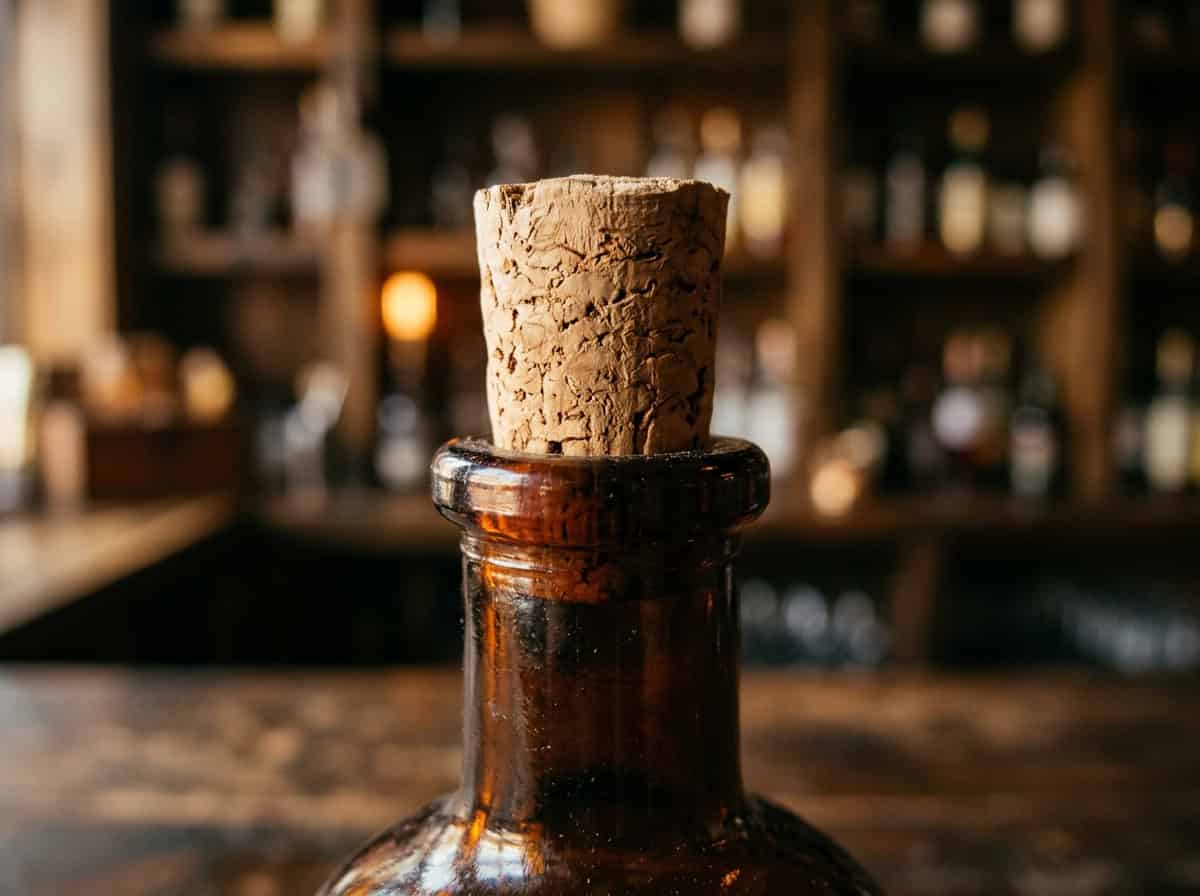
High ABV concentration acts as a harsh solvent, meaning prolonged liquid contact initiates rapid cork disintegration. As the alcohol breaks down the binder holding the cork together, the structural integrity of the seal completely fails.
Once a cork begins to disintegrate, it doesn’t just let oxygen in. It actively seeps bitter, woody off-flavors directly back into your expensive liquor. The liquid becomes permanently tainted.
But storing them upright creates a secondary problem you have to manage: the top of the cork can still dry out and become brittle in arid environments. You need to maintain a mild ambient humidity in your storage room. If the air is bone-dry, the upper half of the cork will snap off in your hand the moment you try to twist it out of a vintage bottle.
Fortified wines and the post-opening refrigeration mandate
The moment you break the seal on modifiers like Vermouth, sweet cordials, port, or sherry, they must immediately move to the fridge. Keeping them out on a bar cart guarantees they will spoil and ruin your mixed drinks in a matter of weeks.
There is a hard boundary between high-proof base spirits and their lower-proof counterparts. Your base spirits possess inherent shelf stability; they can sit in a dark, vertical cabinet for decades without bacterial growth. Fortified wines, however, operate on a strict biological clock and carry a mandatory refrigeration mandate once exposed to air.
Treating vermouth as “liquor” rather than “perishable food” is the primary reason your home martini tastes noticeably worse than the Cocktail you pay fifteen dollars for. Professional Bartenders understand this implicitly. If you watch GN Chan prep a shift at acclaimed cocktail bar Double Chicken Please, you will never see him treating delicate modifiers like shelf-stable well bottles.
Similarly, dairy-heavy products like Baileys Irish Cream demand cold storage to prevent the fat content from curdling. Placing clear spirits in the freezer is fine—they won’t freeze due to the alcohol concentration—but that is strictly a serving preference. Refrigerating your modifiers is a biological necessity.
Headspace oxidation and the one-third full decanting rule
Sparing the last few ounces of a rare bottle for a special occasion is the fastest way to ruin it through aggressive oxygen exposure. You must either drink it immediately or transfer the remaining liquid to a smaller vessel.
Collectors fall victim to the scarcity mindset all the time. You buy a highly allocated bottle, drink most of it over a great weekend, and then save the last two inches at the bottom for an undetermined future celebration. This is the worst thing you can do to your prized liquid.
Once a bottle hits that critically low volume, the headspace ratio flips, leading to rapid oxidation. The volume of trapped oxygen vastly outpaces the remaining liquid, acting as a corrosive agent. It utterly flattens the complex flavor notes.
If you are trying to save the last pour of something truly special—like John Wick’s favored bourbon—you cannot leave it in the original 750ml glass. You have to eliminate the oxygen gap. Either decant the remnants into a tightly sealed two-ounce sterilized sample bottle, or just pour it into a Glencairn, or a Copita for your rare mezcal, and enjoy it tonight.
Climate-controlled facilities and decentralized inventory
When a collection outgrows your home’s physical architecture, you must separate your daily drinkers from your long-term archival stock. This requires shifting bulk bottles to off-site, regulated storage spaces.
There is a hard logistical limit to standard residential furniture. A premium home bar cart generally caps out at 15 to 20 bottles before it starts looking like a hoarder’s pile. Users in the Reddit community r/cocktails, like collector green_and_yellow, frequently cite hitting this exact wall when their collections cross the 75-bottle mark.
You have to acknowledge the tension between your bar cart footprint and the necessity of a climate-controlled facility. A true aficionado eventually adopts a decentralized framework. You keep a curated, seasonal “active rotation” on display in your living space, while the vast majority of your sealed stockpile is safely segregated out of sight.
Graduating to off-site climate-controlled storage
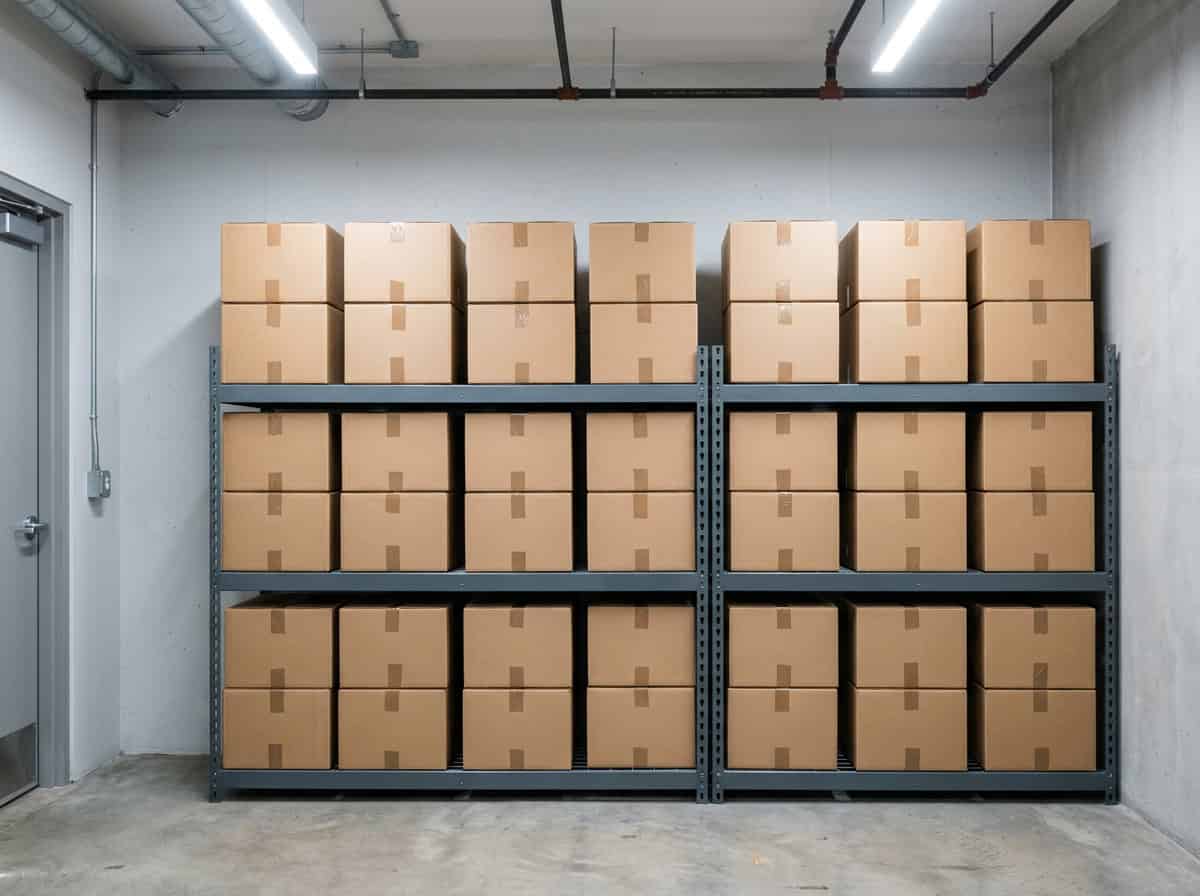
Renting a professional, temperature-regulated secondary space rescues your domestic peace while satisfying the realities of a large-scale collection habit. Once your inventory is split across multiple locations, you have to implement a strict tracking methodology.
Managing a decentralized collection requires abandoning your memory and relying on a digital ledger. When you split your stock between the living room display, an overflow garage drink-fridge, and an off-site unit, a spreadsheet is the only way to avoid buying duplicates.
Follow this three-step methodology to catalog your archives: 1. Log every sealed bottle into an inventory app or cloud spreadsheet, noting the exact proof, purchase date, and physical location. 2. Group your off-site bottles into numbered, heavy-duty moving boxes, and map those box numbers to your digital ledger. 3. Update the tracking sheet immediately every time you cycle a replacement bottle from the storage facility back to your home bar cart.
Long-term preservation of your curated collection
Proper liquor preservation is an active, methodical process of managing temperature, orientation, and physical space. Treating your bottles like a deliberate library protects both your financial investment and your household harmony.

Your Bourbon, rum, and tequila will not survive decades of neglect just because they have a high alcohol content. They demand the darkness of a cellar, a strict vertical stance, and a stable, cool climate to survive intact. Master bartender Abigail Gullo frequently preps for high-end cocktail parties by auditing her stock—ensuring modifiers are cold and base spirits are pristine. You should adopt that exact professional mindset at home.
Audit your current shelves today. Throw away the oxidized, two-ounce remnants you’ve been stubbornly hoarding. Move your opened vermouth to the fridge. Then, formally separate your core display bottles from your long-term archives, and get the excess out of your living space for good.
Frequently Asked Questions
Why does storing whiskey at standard room temperature ruin it over time?
Keeping bottles in a centrally heated house around 72 degrees triggers thermal expansion. The heat causes the liquid to swell, pushing vapor out through microscopic gaps in the seal. Over time, this accelerated evaporation leaves your liquor noticeably flatter, hotter on the palate, and physically reduced in volume.
Can I store my liquor bottles on their side in a wine rack?
Absolutely not. High-proof alcohol acts as a harsh solvent that will rapidly eat away at the cork if left in direct contact. As the cork breaks down, it ruins the seal’s structural integrity and leaches bitter, woody off-flavors directly back into your expensive liquor.
How does direct sunlight actually damage dark spirits?
UV rays actively and rapidly strip both the color and flavor profile from your bottles. A Bacardi study showed that in just 15 days of direct sunlight exposure, bourbon lost 10 percent of its color and scotch lost a massive 40 percent. Leaving your collection on an open bar cart near a window systematically bleaches your investment.
What’s the difference between storing base spirits and storing fortified wines?
Base spirits like vodka, whiskey, and gin have inherent shelf stability and can sit upright in a dark cabinet for decades. Fortified wines and modifiers like vermouth, sherry, and port operate on a ticking biological clock. Once you break the seal on those modifiers, they must be refrigerated immediately to prevent spoilage.
Is it worth saving the last two inches of a rare bottle for a special occasion?
No, because doing this guarantees you will ruin the remaining liquid through headspace oxidation. When a bottle is mostly empty, the high volume of trapped oxygen acts as a corrosive agent and completely flattens the complex flavor notes. You should either drink it right away or decant the remnants into a tightly sealed two-ounce sample bottle.
How much space do I actually need to store a growing liquor collection?
A premium residential bar cart realistically hits its limit at 15 to 20 bottles before it starts looking like a hoarder’s pile. Once your collection crosses the 75-bottle threshold, you need to transition to a decentralized setup. Keep a curated seasonal rotation at home and move the sealed bulk of your investment to an off-site, climate-controlled facility.