
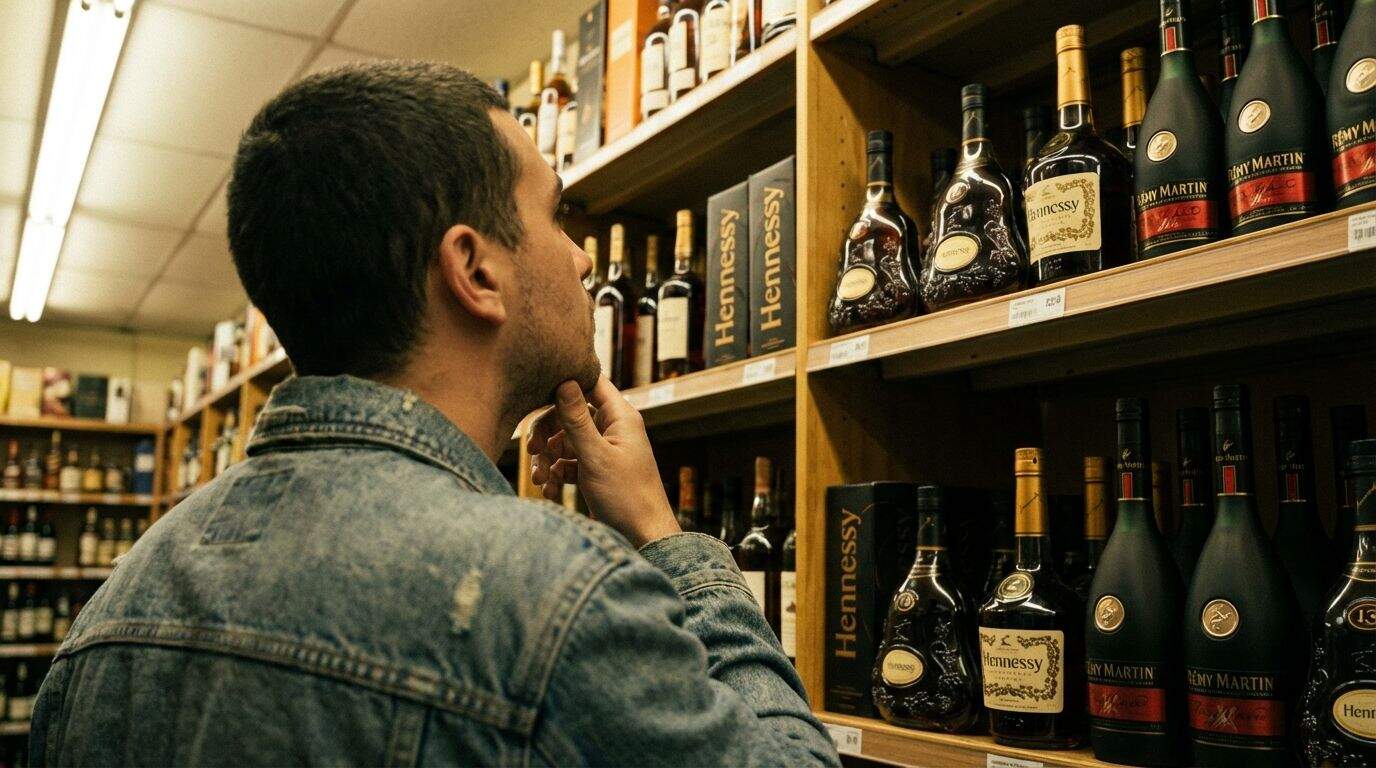
Are you standing in the liquor aisle, staring at a wall of amber bottles and asking yourself, what exactly is Cognac? You see names like Hennessy and Rémy Martin, cryptic letters like VSOP and XO, and price tags that range from “Friday night treat” to “mortgage payment.” It can be a lot to take in.
Here is the simple truth: Cognac is just a specific type of French brandy with a really good PR team and some strict rules. It starts as a simple white wine made from Ugni Blanc grapes and transforms into the rich, complex spirit you see in the glass.
I am going to walk you through everything you need to know, from decoding those labels to pouring the perfect drink. We will cover the styles, the grades, and even the definition of vsop cognac so you can buy with total confidence.
Stick around, and I’ll show you how to upgrade your home bar without wasting a dime.
Key Takeaways
Cognac is a protected French spirit: It must be produced in the Cognac region of France using specific grapes (mostly Ugni Blanc) and double distilled in copper pot stills.
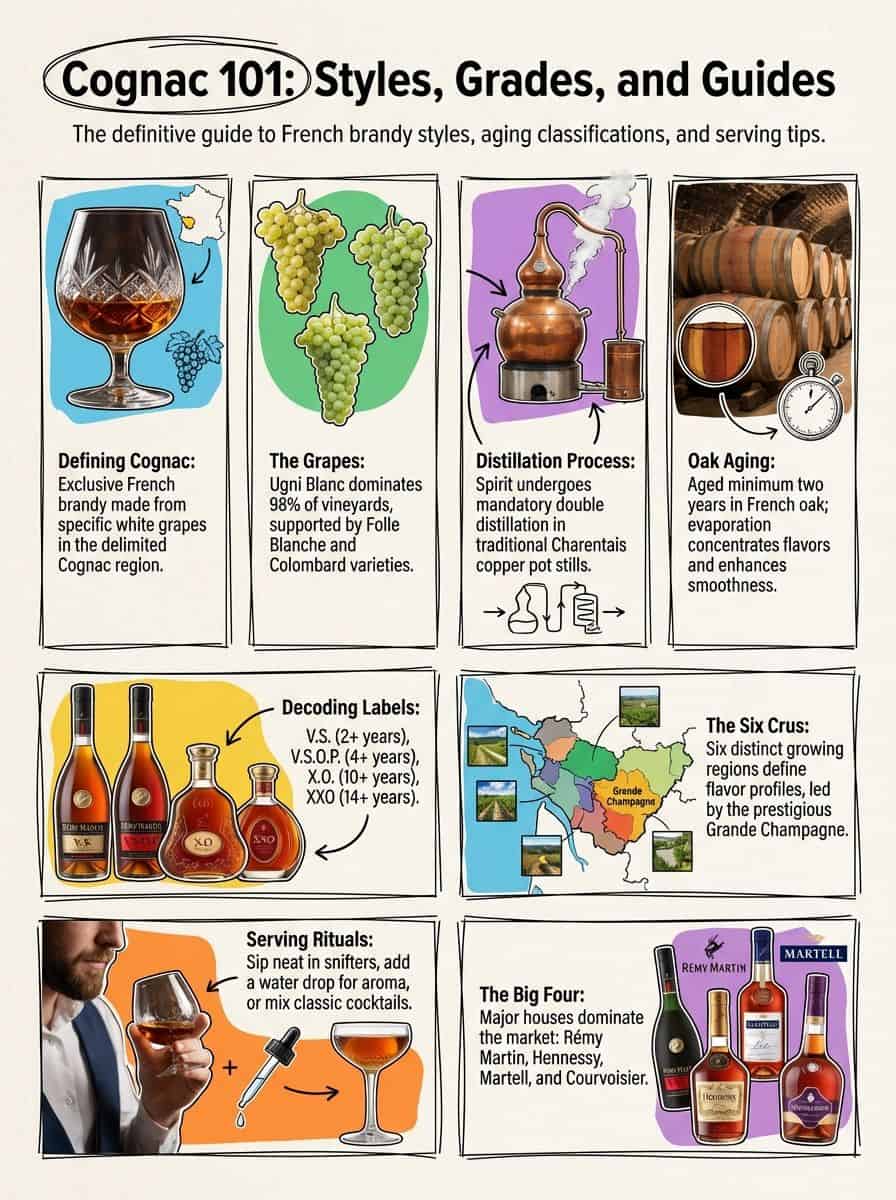
Age matters, but older isn’t always better: V.S. (2+ years) is great for cocktails; V.S.O.P. (4+ years) balances oak and fruit; X.O. (10+ years) is for sipping slowly.
Geography shapes the flavor: The region has six growth areas or “crus,” with Grande Champagne and Petite Champagne producing the most age-worthy spirits due to their chalky soil.
Glassware is changing: While the classic snifter is iconic, many experts now prefer a tulip glass to concentrate aromas without burning your nose with alcohol vapors.
Big brands dominate: Hennessy controls nearly half the global market, while houses like Martell and Rémy Martin offer distinct styles like “Fine Champagne” blends or bourbon-cask finishes.
Table of Contents
What exactly is Cognac?
Let’s strip away the fancy marketing and get down to facts. Cognac is a brandy, which means it is distilled wine, but you cannot just make it anywhere.
To carry the name “Cognac,” it must meet the strict standards of the Appellation d’Origine Contrôlée (AOC). It has to be produced in the Charente and Charente-Maritime departments of France. If you make the exact same drink in California or Armenia, you have to call it brandy.
The process is rigorous. It starts with white wine that is high in acidity and low in alcohol. This wine goes through double distillation in Charentais copper pot stills, also known as alembics. The distillation campaign has a hard deadline: it must be finished by March 31st following the harvest.
The result is a clear spirit called eau de vie, or “water of life,” which clocks in at about 70% alcohol. But the real magic happens in the wood. This clear spirit must age in oak barrels for at least two years. During this time, it absorbs flavors like vanilla, toast, and spice notes from the wood.
While it sits in the cellar, about 2-3% of the volume evaporates every year. The locals poetically call this loss the “angels’ share,” but it’s really just the price of making a concentrated, flavorful spirit. When you buy a bottle, you are paying for the time and evaporation as much as the liquid itself.
Key grape varieties used for Cognac production
You might think all grapes are created equal, but for Cognac, that is definitely not the case. The grapes used here aren’t the kind you’d want to eat as a snack or turn into a table wine.
They are chosen specifically because they make terrible wine for drinking but perfect wine for distilling.
What is Ugni Blanc and why is it important?
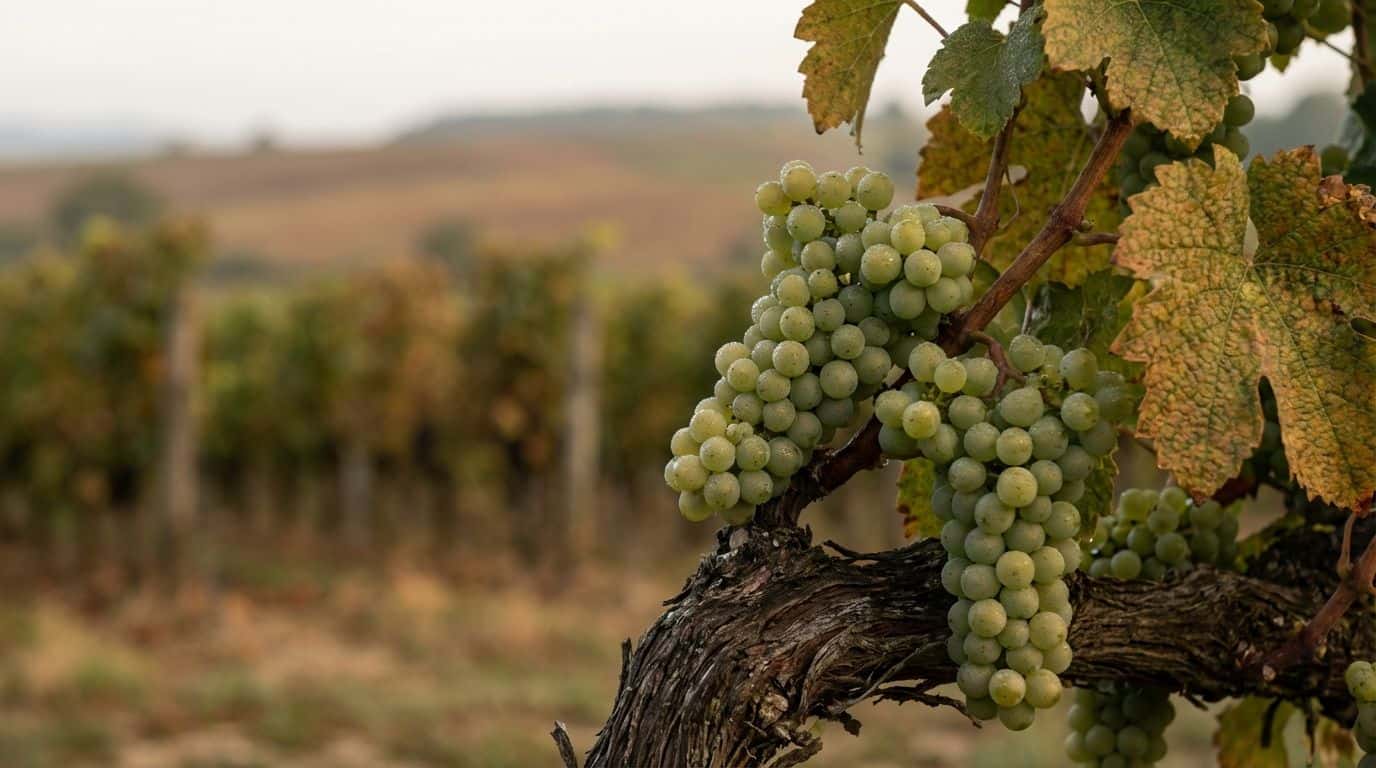
If Cognac had a minimalist king, it would be Ugni Blanc. This grape covers about 98% of the region’s vineyards. Locals sometimes call it Saint-Émilion, and in Italy, it goes by the name Trebbiano.
Why is it so popular? It is tough and resistant to disease, specifically the grey mold that can ruin a harvest. More importantly, it produces a white wine with high acidity and low sugar content (usually around 8-9% ABV).
This high acidity is crucial because it acts as a natural preservative. Since the rules forbid adding sulfur dioxide to wine meant for distillation, the acidity keeps the wine fresh until it hits the pot stills. The resulting eau de vie is neutral and clean, acting as a perfect blank canvas for the flavors of the French oak barrels.
What role does Folle Blanche play in Cognac?
Before the phylloxera pest destroyed European vineyards in the late 19th century, Folle Blanche was the undisputed star. It produced rich, heavy, and incredibly aromatic spirits.
Today, it is a rare find, covering less than 1% of the region. It is notoriously hard to grow and prone to rot, which is why most farmers swapped it for the reliable Ugni Blanc. However, some producers like Godet still release limited bottlings, such as their “Rare Folle Blanche,” to showcase that traditional profile.
When you find a blend with Folle Blanche, expect bright floral notes and a distinct elegance. It adds a perfume-like quality that Ugni Blanc sometimes lacks.
How does Colombard contribute to Cognac flavor?
Colombard is the punchy sidekick in the vineyard. Like Ugni Blanc, it is high in acidity but brings a bit more alcohol and a sharper aromatic profile to the table.
It was historically one of the most planted varieties alongside Folle Blanche. Today, you will mostly find it in blends where the master blender wants to add a “backbone” of structure. It provides crisp, fruity aromas that remind you of lime or green apple.
While not as neutral as Ugni Blanc, its ability to retain freshness makes it a valuable tool for creating lively V.S. and V.S.O.P. cognacs.
The craftsmanship process behind Cognac
Turning sour grapes into a luxury spirit involves a mix of science, tradition, and a lot of waiting. Let’s look at how the sausage—or in this case, the spirit—is made.
What is double distillation in copper pot stills?
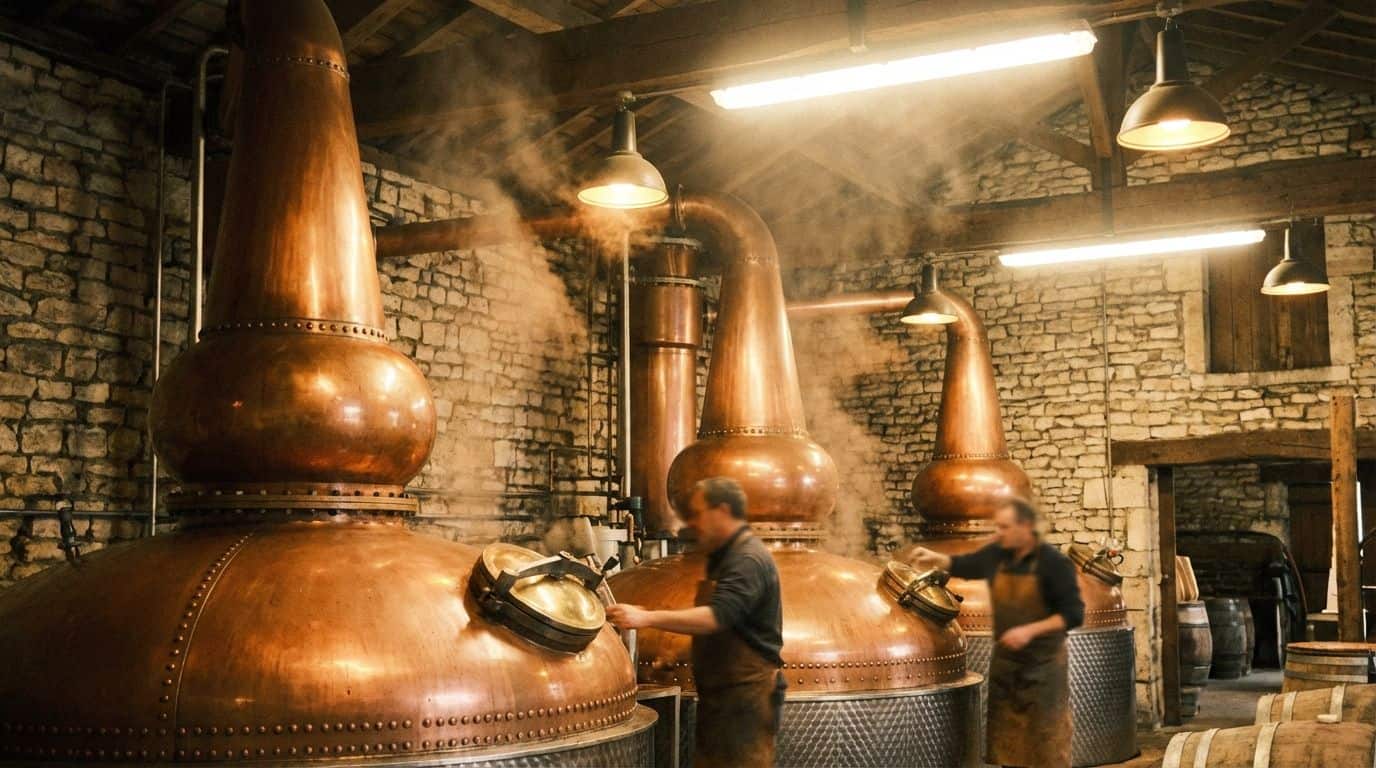
This is where the purity comes from. The law requires double distillation in copper pot stills known as alambic charentais.
The first run creates a liquid called brouillis, which is about 28-32% alcohol. It’s cloudy and rough. This liquid goes back into the still for the second distillation, called the bonne chauffe.
Here is the “insider” detail: the distiller must carefully separate the liquid into four parts. The “heads” (too harsh) and “tails” (too weak) are discarded or redistilled. Only the “heart”—the clear, aromatic center cut—is kept. This heart enters the barrel at around 70% alcohol, ready to begin its long sleep.
How does aging in French oak barrels affect Cognac?
Once distilled, the spirit must age for a minimum of two years in French oak barrels. The type of oak matters immensely.
Producers typically use wood from the Limousin or Tronçais forests. Limousin oak has a wider grain, which allows for more interaction with the air and releases more tannins. This gives the Cognac a robust, woody character.
Tronçais oak has a tighter grain, offering softer tannins and more subtle spicy notes. A master blender will choose between them—or mix them—depending on whether they want a punchy, spicy spirit or a soft, elegant one.
Over time, the liquid darkens from clear to amber, and the flavors shift from fresh grapes to dried fruits, nuts, and leather. The “angels’ share” evaporation concentrates these flavors, making older cognacs significantly richer.
What is the art of blending in Cognac making?
If you buy a bottle of single malt scotch, you are often tasting one distillery’s product from a specific year. Cognac is different. It is almost always a blend.
The Maître de Chai (cellar master) is like a conductor. They have access to hundreds of barrels containing eaux-de-vie from different years and different vineyards. Their job is to mix these distinct spirits to create a consistent “house style” that tastes the same year after year.
For example, a bottle of Hennessy V.S. bought in 2026 should taste exactly like one bought in 2020. This requires incredible skill. The age statement on the bottle (like VSOP) always refers to the youngest spirit in the blend, even if there are 50-year-old spirits in the mix.
Cognac classifications and age grades explained
Walk into any shop and you’ll see an alphabet soup of letters. These aren’t random; they are strict legal grades that tell you exactly what you are paying for.
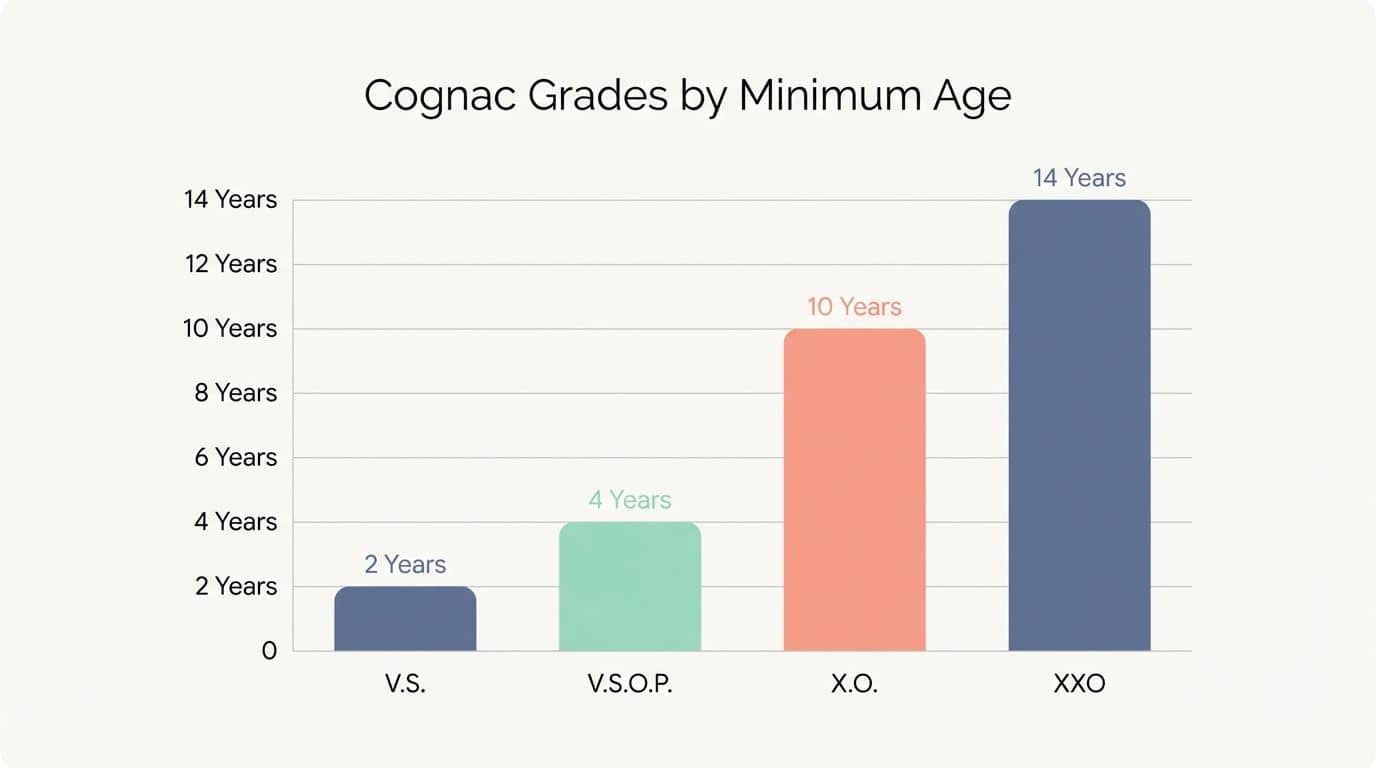
| Grade | Full Name | Min. Age (Youngest Spirit) | Best For |
|---|---|---|---|
| V.S. | Very Special | 2 Years | Cocktails, Mixed Drinks |
| V.S.O.P. | Very Superior Old Pale | 4 Years | Sipping Neat or Premium Cocktails |
| X.O. | Extra Old | 10 Years | Sipping Neat (Do not mix!) |
| XXO | Extra Extra Old | 14 Years | Special Occasions, Collecting |
What does V.S. (Very Special) mean in Cognac?
V.S. stands for Very Special. This is the workhorse of the Cognac world. The youngest spirit in the bottle must be at least two years old.
These are lively, fruity, and carry a bit of a “burn” because they haven’t spent decades mellowing in wood. That heat makes them perfect for mixing. If you are making a Sidecar or mixing with ginger ale, grab a V.S. You will find solid options like Hennessy V.S. or Courvoisier V.S. for around $35-$45 in the US.
What defines V.S.O.P. (Very Superior Old Pale)?
V.S.O.P. means Very Superior Old Pale. The minimum aging here is four years. This grade is the sweet spot for many drinkers.
You get less alcohol burn and more complexity—think vanilla, stone fruits, and mild spices. It is smooth enough to sip over ice but affordable enough (usually $50-$70) to use in a high-end cocktail like a Sazerac without feeling guilty.
What is the significance of X.O. (Extra Old)?
X.O. stands for Extra Old. Since 2018, the minimum age for the youngest spirit in an X.O. blend is 10 years, though many contain spirits that are 20 or 30 years old.
This is where things get serious. You’ll taste rich notes of chocolate, cigar box, cinnamon, and candied orange. Prices usually jump over $150. Drinking this with Coke would be a crime; save it for after dinner and serve it neat.
How is XXO (Extra Extra Old) different?
XXO is a relatively new category that officially requires the youngest spirit to be at least 14 years old. This category was created to recognize the ultra-premium bottles that go far beyond standard X.O. requirements.
Bottles like Martell Chanteloup XXO fall into this elite group. They are incredibly complex, often showcasing the “rancio” flavor—a funky, nutty, cheesy (in a good way) note that only develops after decades of oxidation in the barrel.
The Cognac terroir: the six crus of the region
Just like Napa Valley has different soils that change the taste of Cabernet, Cognac is divided into six growth areas, or “crus.” The soil dictates the quality.
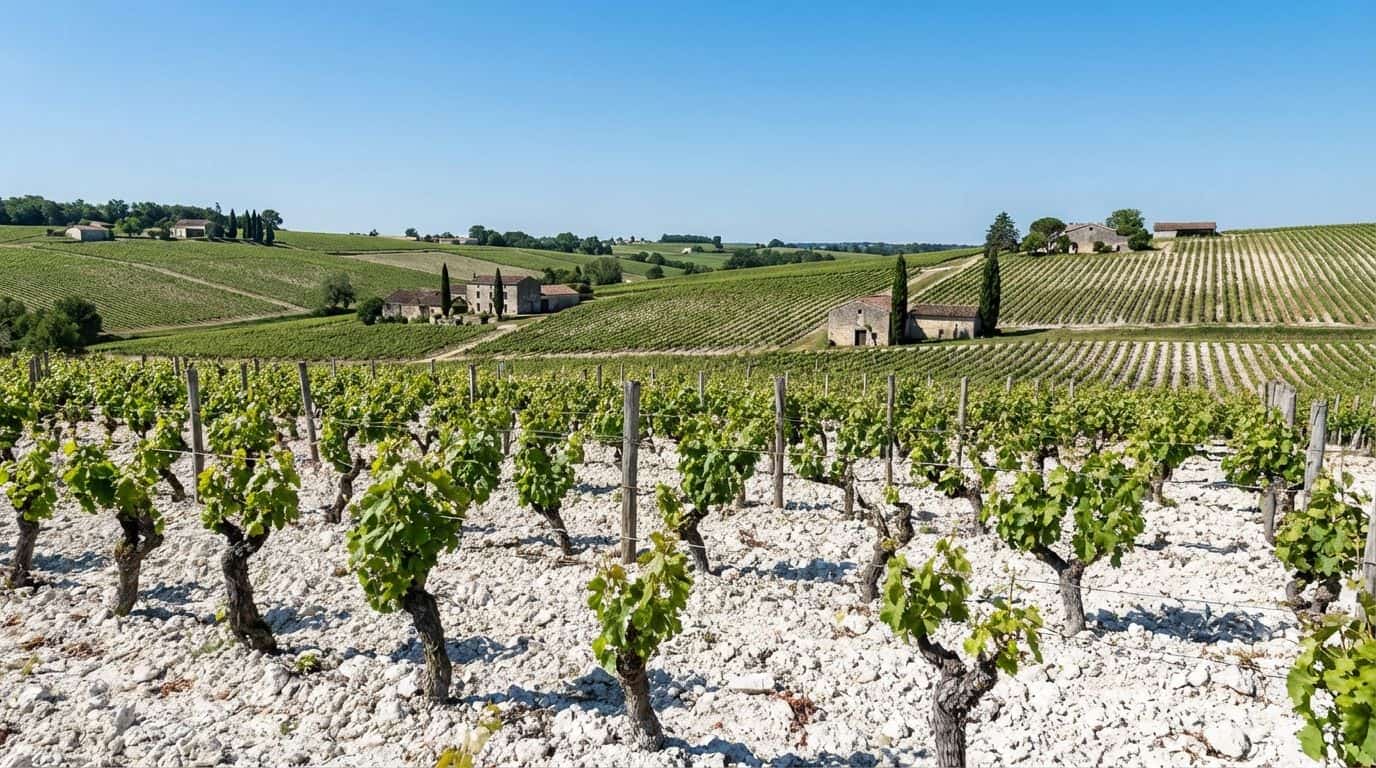
- Grande Champagne: The holy grail. The soil here is pure chalk. It produces fine, floral spirits that take decades to age properly. If you see “Fine Champagne” on a label (like on Rémy Martin), it means a blend of at least 50% Grande Champagne with the rest from Petite Champagne.
- Petite Champagne: Similar chalky soil to its big brother but slightly less compact. The spirits are elegant and powerful.
- Borderies: The smallest cru. The soil contains clay and flint. Spirits here age faster and have a distinct nutty, violet aroma. It’s a favorite of geeks who love unique profiles.
- Fins Bois: This area surrounds the first three. The soil is “groies” (red clay and limestone). The eaux-de-vie here are round, fruity, and age quickly. This is often the base for many great V.S. blends.
- Bons Bois & Bois Ordinaires: These outer regions have sandy soils influenced by the ocean. They produce rustic, fast-aging spirits often used in liqueurs or lower-cost blends.
How should you enjoy Cognac?
There is no “wrong” way to drink, but there are definitely better ways to get your money’s worth. Forget the myths you’ve seen in old movies.
Why drink Cognac neat in a snifter?
The traditional image is an old guy warming a balloon glass (snifter) in his hand. While that looks cool, many modern experts actually advise against it. Warming the spirit too much releases harsh alcohol vapors that can burn your nose.
Pro Tip: Try a tulip glass instead. Its shape concentrates the delicate aromas of fruit and spice while letting the heavy alcohol fumes escape. If you don’t have one, a white wine glass works better than a massive snifter.
Pour about an ounce, give it a minute to breathe, and take small sips. Let it roll over your tongue to pick up the Rémy Martin or Courvoisier complexity.
What happens when you add ice or water?
Adding a drop of water can actually be a pro move. Just like with whisky, a few drops of room-temperature water can break the surface tension and release “locked” aromas, especially in cask-strength or younger cognacs.
Ice is a different story. It chills the spirit, which mutes the flavors and thickens the texture. This is great for a V.S. on a hot day, but don’t do it to an expensive X.O.—you’ll lose all the subtle nuances you paid for.
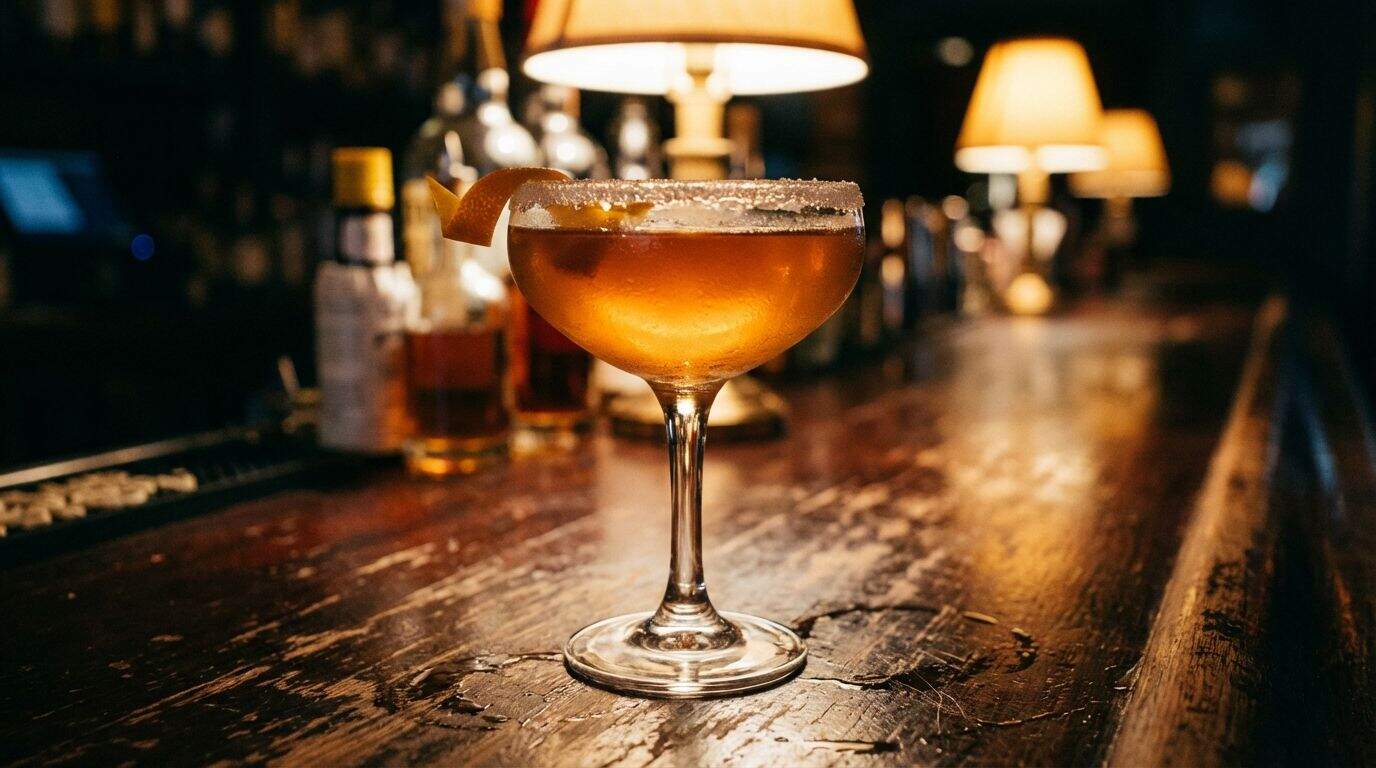
Which classic cocktails feature Cognac?
Cognac was the original base for many cocktails before Prohibition pushed drinkers toward whiskey and gin. Bringing it back into your rotation is a classy move.
- The Sidecar: The ultimate classic. Mix 2 parts Cognac, 1 part orange liqueur (like Cointreau or Grand Marnier), and 1 part fresh lemon juice. Shake with ice and strain. The sugar rim is optional but delicious.
- The Sazerac: New Orleans style. Rinse a glass with absinthe. In a mixing glass, stir 2 oz Cognac with a sugar cube and Peychaud’s bitters. Strain into the rinsed glass. Twist a lemon peel over the top.
- Vieux Carré: A potent mix of Cognac, rye whiskey, sweet vermouth, and benedictine. It’s complex, boozy, and sophisticated.
If you want to compare how these taste against their whiskey cousins, check out this guide on cognac vs bourbon.
What are some popular Cognac brands to try?
The “Big Four” houses produce most of the world’s Cognac, and each has a distinct personality.
What makes Rémy Martin stand out?
Rémy Martin is the specialist in Cognac Fine Champagne. They exclusively use grapes from the two top regions: Grande Champagne and Petite Champagne. This gives their spirits, like the popular 1738 Accord Royal, a rich, smooth profile with notes of baking spices and toast.
They are also known for distilling on the “lees” (the leftover yeast residue), which adds a creamy texture and nutty flavor depth that fans love.
Why is Hennessy a top choice?
Hennessy is the undisputed heavyweight champion, holding roughly half the global market share. Their style is generally bold, woody, and consistent.
The Hennessy V.S. is ubiquitous for a reason—it holds up perfectly in mixed drinks. For sipping, their X.O. is the benchmark for the category, offering a powerful, spicy, and robust flavor profile that has defined the genre.
What is unique about Martell?
Martell is the oldest of the major houses, founded in 1715. Their signature is using grapes from the Borderies cru and distilling without the lees. This results in a cleaner, lighter, and more floral spirit.
Insider Tip: They recently launched Martell Blue Swift, a V.S.O.P. finished in Kentucky bourbon casks. Because it uses bourbon barrels, it technically has to be labeled as a “spirit drink” rather than Cognac, but it is a fantastic bridge for American whiskey lovers trying to get into French brandy.
What should you know about Courvoisier?
Known as the “Cognac of Napoleon,” Courvoisier has a history of elegance. Their house style tends to be fruity and floral, focusing on balance rather than power.
Their V.S.O.P. is widely considered one of the best values on the shelf, offering a complexity that often beats more expensive competitors. In 2025, their 30-Year XO Royal even took home top awards, proving they are still at the top of their game.

How Will the World of Cognac Evolve in 2026?
The industry isn’t standing still. As we move through 2026, you will see a few major shifts. First, sustainability is huge. New grapes like Coutia and Luminan have been approved for limited use to help vineyards adapt to climate change.
Second, the way you buy is getting smarter. Brands are heavily investing in digital tools. They use Google Analytics and real time bidding for display ads to personalize what you see online. It means that session cookie on your browser is working hard to show you the exact bottle that matches your taste profile, whether you’re into sparkling wine or aged spirits.
Finally, transparency is key. Modern drinkers want to know everything—from the specific terroirs to the type of oak casks used. Expect more “single estate” bottles and fewer secretive blends as producers cater to an audience that values facts over marketing fluff.
People Also Ask
What makes cognac different from other spirits like calvados or slivovitz?
Cognac is a protected style of brandewijn from the wine-growing Charente region of France, distilled primarily from fermented Ugni Blanc and sémillon grapes rather than the plums used in slivovitz or apples in calvados. Unlike those other spirits, every drop of cognac must be aged in oak barrels for a minimum of two years and meet precise rules for sugar content and alcool volume.
How do VS (Very Special), VSOPs (Very Special Old Pale), and XO (Extra Old) grades differ?
VS (Very Special) indicates the youngest eau-de-vie in the blend has aged for at least two years, while VSOPs (Very Special Old Pale) require a minimum of four years in the barrel. XO (Extra Old) represents the highest tier of aging potential in this list, as strict new rules now require the youngest spirit in the blend to have rested for at least ten years.
Is Rémy Martin considered one of the top names for cognacs?
Yes, Rémy Martin is an industry titan, famous for producing the US favorite 1738 Accord Royal and prioritizing grapes from the prestigious Champagne soil regions.
Can you make sparkling wine called “cognac”?
No, you will never find a sparkling wine by that name because the confusion usually stems from the word “Champagne” on labels, which refers to the region’s chalky soil rather than bubbles. Authentic cognac is a still spirit that is distilled and then aged, never carbonated.
Why does GDPR matter when buying personalized bottles online?
Regulations like GDPR protect your personal data when you order personalization options, such as an engraved name on a bottle. This ensures that your private information, including your shipping address and custom message, is handled securely and not stored unnecessarily after your transaction.
References
- https://winefolly.com/deep-dive/the-guide-to-cognac/
- https://www.cognac.fr/en/discover/the-cognac-region/cognac-grapes-varieties/
- https://www.cellartours.com/blog/france/rediscovering-colombard
- https://www.destination-cognac.com/en/wine-tourism/cognac/the-skills-of-cognac-producers/distillation-cognac/
- https://www.martell.com/en-us/news/expertise-cognac/cognac-maturation-the-art-of-aging/
- https://www.distilleriedupeyrat.com/making-cognac/
- https://www.diffordsguide.com/bws/1261/cognac/production
- https://www.cognac-expert.com/types-of-cognac/?srsltid=AfmBOoqvgr2y18bR0txzWfttzymtIFZv3LwHB9QZ5kzhYlpd03S6s5RS
- https://www.martell.com/en-us/news/expertise-cognac/what-do-the-initials-vs-vsop-xo-and-xxo-mean/
- https://www.cognac-expert.com/types-of-cognac/?srsltid=AfmBOopaDDWh4A2Xd6pEbG_QJ-mFwF_cC9ZEP85cXiaQBq7ws2iKogik
- https://www.cognacpainturaud.com/cognac-classifications/ (2025-10-25)
- https://www.grandmarnier.com/en-us/blog/the-ultimate-guide-to-drinking-cognac-like-a-connoisseur/
- https://www.cognac-expert.com/how-to-drink-cognac/?srsltid=AfmBOorsLQeqy9srsaMlZBJ0lgSdWS-3D-8GA-GI9s1LwGkb2wIxGmTT
- https://www.cognac-expert.com/how-to-drink-cognac/?srsltid=AfmBOopuJQ0et1bDBWUvLh7WrJn7fFDyM5UCTxz0VsjJuXcMQ38L5329
- https://blog.cognac-expert.com/all-about-cognac-cocktails/ (2025-07-11)
- https://www.forbes.com/sites/joemicallef/2026/01/03/remy-martin-at-300-what-makes-its-cognac-taste-different/
- https://vinepair.com/articles/best-hennessy-cognac/ (2022-02-21)
- https://en.dearwhisky.com/knowledge/martell (2025-09-16)
- https://vinepair.com/articles/ntk-courvoisier/ (2022-04-22)
- https://www.courvoisier.com/en-us/heritage/
- https://www.alcoholprofessor.com/blog-posts/trends-in-cognac-how-brands-are-rebounding (2024-07-15)